October 5, 2026
Auto Repair Shop Tempe AZ Reviews: What to Look For
Table of Contents
- What Auto Repair Shop Tempe AZ Reviews Actually Tell You
- How to Choose an Honest Auto Repair Shop
- What Auto Repair Diagnostic Services in Tempe Should Include
- Vehicle Maintenance Schedule for Arizona Drivers
- Why a Vehicle Protection Plan Changes the Repair Conversation
- How Reviews Reveal Whether a Shop Stands Behind Its Work
- Frequently Asked Questions
Last Updated: October 4, 2026
What Auto Repair Shop Tempe AZ Reviews Actually Tell You
Reading auto repair shop Tempe AZ reviews is the fastest way to separate a shop that explains your repair from one that just invoices you for it. At American Five Star Auto Repair and Transmission, we have watched review patterns shift since 1993, and the same signals keep predicting which shops customers trust long term. Reviews are not a popularity contest. They are a paper trail of how a shop behaves when a repair goes sideways.
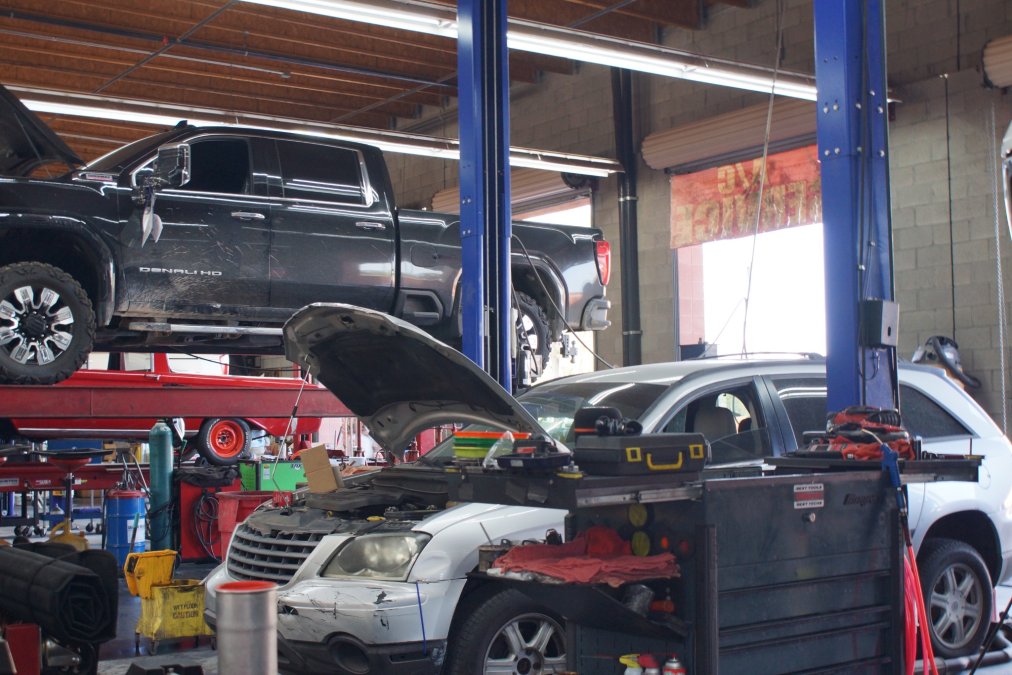
The Review Details That Matter Most
Specificity is the tell. A review that names the problem, the diagnosis, and the outcome carries far more weight than a one-line “great service.”
Look for these patterns:
- Reviews that mention a technician explaining the problem in plain language
- Complaints about price that still confirm the work was done correctly
- Repeat customers describing a second or third visit
- Photos of invoices or repair orders with details intact
- Owner responses that address the issue instead of deflecting it
A shop with 481 Google reviews and a BBB accreditation has a documented history you can actually check. Volume matters less than consistency across years.
How to Choose an Honest Auto Repair Shop
Choosing an honest shop comes down to how it handles the moment before money changes hands. An honest shop diagnoses first, explains the finding, and lets you decide. A shop that pressures you into same-day approval before you understand the problem is showing you its priorities.
Questions to Ask Before You Hand Over the Keys
Ask these before you leave the vehicle:
- Will you call me with the diagnosis before starting any work?
- Can you show me the failed part or explain what the diagnostic test found?
- Is this repair urgent, or can it wait until my next service?
- Do you offer a written estimate before I approve anything?
- How long has your shop been at this location?
The answers reveal more than any advertisement. A shop that welcomes questions is usually a shop that expects its work to hold up.
Ask for the diagnosis in writing, even a handwritten note. Shops that document findings before repairs tend to have fewer disputes later, because everyone agreed on the problem before the work began.
What Auto Repair Diagnostic Services in Tempe Should Include
Auto repair diagnostic services in Tempe should start with a road test and a scan tool reading, then move to a physical inspection of the affected system. A scan tool alone is not a diagnosis. It points to a symptom; a technician still has to confirm the cause.
A proper diagnostic visit includes:
- A road test to reproduce the complaint
- Reading stored and pending trouble codes
- Checking live sensor data, not just fault codes
- A visual inspection of wiring, fluid condition, and wear items
- A written explanation of what was found and what it means
Transmission complaints deserve extra care. A shudder, delayed shift, or slipping gear can come from the transmission itself, a sensor, or even a worn mount. Confirming which one saves you from paying for a repair you did not need. That is where dedicated Transmission Service and Repair comes in, and it is also why diesel owners dealing with injector or turbo issues should look for a shop that handles Diesel Repair rather than treating a heavy-duty engine like a gas one. Our ASE-certified technicians walk through the finding before recommending anything, which is why customers like Jacob Massengill note that the team “probably saved me hundreds of dollars” with honest, quick help.
Vehicle Maintenance Schedule for Arizona Drivers
A vehicle maintenance schedule for Arizona drivers has to account for heat, dust, and stop-and-go commuting. Temperatures that regularly push past 100 degrees in summer shorten the life of fluids, batteries, and belts faster than in milder climates.
| Interval | Service | Why It Matters in Arizona |
|---|---|---|
| Every 5,000-7,500 miles | Oil and filter change | Heat breaks down oil faster |
| Every 15,000 miles | Cabin and engine air filters | Dust clogs filters quickly |
| Every 30,000 miles | Transmission fluid service | Heat stresses fluid and seals |
| Every 3-5 years | Battery replacement | Heat shortens battery life |
| Annually | Coolant and belt inspection | Prevents summer breakdowns |
Following this schedule costs less than reacting to a failure. A transmission that gets fresh fluid on time tends to outlast one that waits for a symptom.
Why a Vehicle Protection Plan Changes the Repair Conversation
A vehicle protection plan changes the repair conversation because it shifts the question from “can I afford this right now” to “what does my coverage include.” When a plan is in place, you and the shop can focus on the correct repair instead of the cheapest temporary fix.
We use BG products that come with a vehicle protection plan, which means certain maintenance and repair work comes with added coverage behind it. That matters most for expensive systems. A transmission repair is not a small expense, and knowing a plan is attached to the work removes some of the sting if something related fails later.
What to check before you rely on any plan:
- What components the plan actually covers
- Whether coverage follows the vehicle or the original owner
- What maintenance the plan requires you to keep up with
- How claims are filed and who handles them
Read the terms before you need them. A plan you understand is worth far more than one you discover at the counter.
How Reviews Reveal Whether a Shop Stands Behind Its Work
Reviews reveal whether a shop stands behind its work through what happens after a comeback. Any shop can do a repair correctly the first time. The real test is how it responds when a customer returns with the same problem.
Watch for these signals in reviews:
- A customer describing a return visit that was handled without a fight
- A shop covering a part that failed early
- An owner replying to a negative review with a specific resolution
- Long-term customers mentioning years of repeat service
Rick Sutton’s review captures this well: the team was “so friendly, so considerate and thoughtful” and “truly went out of their way to get us in and out in the same day.” Wendy Hansen put it plainly, calling the shop “the very best vehicle repair shop in the metro area.”
If you are searching for an auto repair shop near me, filter by how shops handle problems, not just how many five-star ratings they have. A shop with a few honest four-star reviews often beats one with a suspiciously perfect record.
Do not judge a shop by its star average alone. A single detailed complaint that the shop resolved publicly tells you more about its character than fifty generic five-star ratings.
Frequently Asked Questions
How do I verify if an auto repair shop in Tempe is trustworthy?
Check three things: certifications, review patterns, and how the shop explains your repair. ASE-certified technicians, BBB accreditation, and transmission trade memberships like ATRA show a shop invests in accountability. Then read reviews for consistency, not just star ratings. A shop with 481 Google reviews and recurring praise for honesty, like customers noting they were saved hundreds of dollars, tends to be a safer bet than one with a handful of glowing posts. Finally, ask whether you’ll get a written explanation before any work begins.
What should I look for in auto repair shop reviews?
Look for specificity. Reviews that mention a diagnosed problem, a clear explanation, and a fair outcome tell you more than generic five-star ratings. Pay attention to how a shop responds to negative reviews too, since that shows how they handle problems. Watch for repeated phrases across many reviews, like customers saying a shop avoided unnecessary work or got them in and out the same day. Patterns across dozens of reviews are more reliable than any single review, positive or negative.
How often should I get my vehicle serviced in Arizona’s climate?
Arizona heat and dust put extra strain on fluids, belts, batteries, and cooling systems. Most drivers should follow the severe-service interval in their owner’s manual rather than the standard one, which often means oil changes every 5,000 to 7,500 miles instead of longer stretches. Check coolant, battery health, and belts at least twice a year, ideally before summer. Transmission fluid deserves attention around every 30,000 to 60,000 miles depending on your vehicle and driving habits.
What is the benefit of using a shop that offers a vehicle protection plan?
A vehicle protection plan adds a layer of coverage beyond the repair itself, so if a covered component fails after the work is done, you’re not paying out of pocket again. It also signals the shop stands behind its parts and labor rather than treating each repair as a one-time transaction. Ask what the plan covers, how long it lasts, and whether it applies to transmission work specifically, since that’s often the most expensive repair a driver faces.
Finding a shop you can trust takes more than a quick search. American Five Star Auto Repair and Transmission has served Tempe and the East Valley as a family-owned shop since 1993, with ASE-certified technicians, BBB accreditation, and ATRA membership behind every repair. We explain the diagnosis before any work begins and back our maintenance with BG products that come with a vehicle protection plan. Schedule today and get an honest answer about what your vehicle actually needs.