October 28, 2026
Import Vehicle Maintenance Tips 2026: What to Know?
Last Updated: October 26, 2026
Quick Summary
Import vehicle maintenance in 2026 means following the schedule built for your specific powertrain and climate, not a generic service menu. Modern imports often use longer fluid intervals, sealed transmissions, and oil-life monitors, so read your manual and apply the severe-service column for stop-and-go driving and desert heat.
- Mileage is only half the interval; most manuals also list a time limit for fluid changes.
- Lifetime fluid means the warranty period in most cases, not forever.
- Arizona heat pushes most vehicles into severe service, which shortens fluid intervals.
- Check tire pressure cold monthly, including the spare, and watch for fluid spots.
- A shudder on an import often traces to a solenoid or valve body, not the fluid.
Table of Contents
- Why Import Vehicle Maintenance in 2026 Is Different
- Your Import Car Maintenance Schedule, Mapped by Mileage
- The Import Car Maintenance Checklist Every Owner Should Keep
- Import Vehicle Service Intervals: When to Ignore the Manual
- Import Car Maintenance in Arizona Heat: What Changes
- Transmission Care for Import Vehicles
- Book Your Import Vehicle Maintenance Visit
- Frequently Asked Questions
Why Import Vehicle Maintenance in 2026 Is Different
Import vehicle maintenance in 2026 rewards owners who read their own manual instead of trusting a generic service menu. Modern imports from Toyota, Honda, Subaru, and Volkswagen increasingly ship with longer fluid intervals, sealed transmissions, and oil-life monitoring systems that calculate wear from driving conditions rather than a fixed mileage sticker.
That shift matters because the old “every 3,000 miles” habit now wastes money on some models and leaves others under-serviced. At American Five Star Auto Repair and Transmission in Tempe, AZ, we see the results of both mistakes in the same week.
Here is the throughline for this guide: the maintenance schedule that protects your import is the one built for your specific powertrain and your specific climate, not the one printed on a lube shop poster. Below, we map the schedule by mileage, flag where the manual is genuinely wrong for desert driving, and explain what heat does to fluids and transmissions.
Your Import Car Maintenance Schedule, Mapped by Mileage
An import car maintenance schedule is the manufacturer’s list of inspections, fluid changes, and part replacements tied to specific odometer readings. Most owners follow the severe-service column without knowing it, because stop-and-go commuting and desert heat both qualify.
Here is how the intervals typically break down across import makes:
| Mileage | Typical Services | What to Watch |
|---|---|---|
| Every 5,000-7,500 | Oil and filter, tire rotation, multi-point inspection | Oil-life monitor vs. time-based change |
| 15,000 | Cabin and engine air filters, brake inspection | Dusty air accelerates filter loading |
| 30,000 | Transmission fluid, coolant check, spark plugs on some models | Sealed units need a specific procedure |
| 60,000 | Timing belt on older interference engines, brake fluid | Belt age matters as much as miles |
| 75,000-100,000 | Spark plugs, coolant flush, suspension inspection | Heat ages bushings and hoses early |
Two things trip owners up. First, mileage is only half the interval; most manuals also list a time limit, so a low-mileage car still needs fluid changes on schedule. Second, “lifetime fluid” means lifetime of the warranty period in most cases, not forever. If you want the full factory-scheduled maintenance and oil change service for your import at each interval, factory-scheduled maintenance and oil change services in Tempe, AZ lays out what each visit covers. For a quick answer on what is actually due at 30,000, 60,000, 75,000, or 100,000 miles, that breakdown follows the manufacturer schedule rather than a generic menu.
The Import Car Maintenance Checklist Every Owner Should Keep
An import car maintenance checklist works best when it separates what you check monthly from what a shop handles at each interval. Owners who track both catch small failures before they become transmission or cooling repairs. Diligent record-keeping extends beyond passenger vehicles to commercial fleets, where preventing repair bills relies on identifying mechanical wear before it compromises the entire drivetrain.
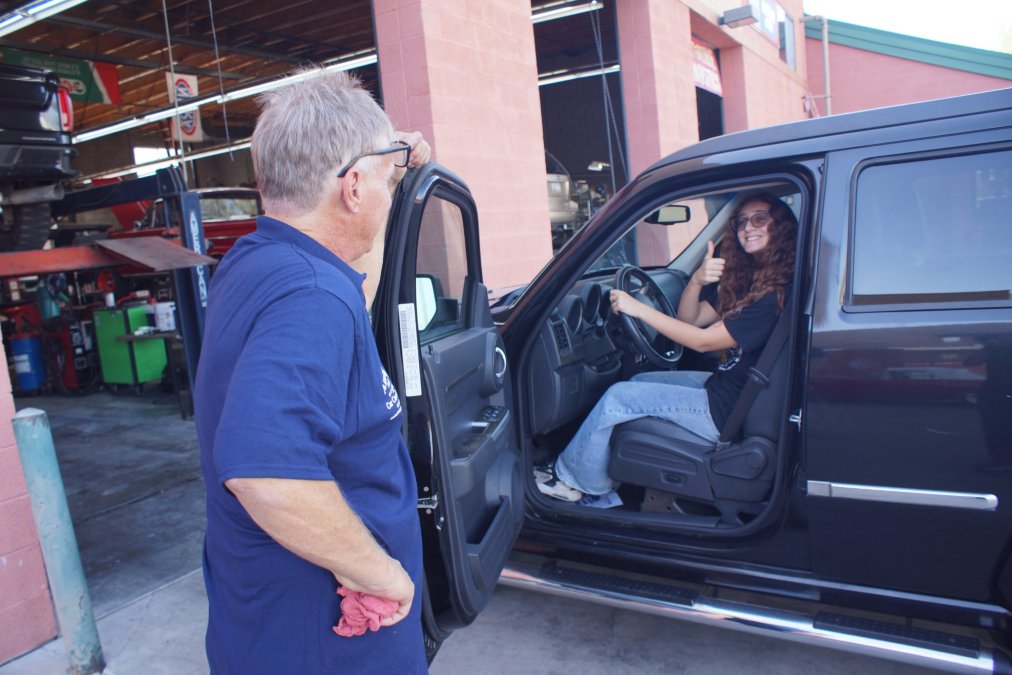
American Five Star – A Customer Testimony
American Five Star Auto Repair & Transmission
Monthly, five minutes in your driveway:
- Check tire pressure cold, including the spare
- Look for fluid spots under the engine and transmission
- Test every exterior light
- Check coolant and brake fluid at the reservoir marks
- Listen for new noises on a cold start
At every oil service:
- Inspect belts and hoses for cracking or softness
- Check brake pad thickness
- Look at tire wear patterns for alignment issues
- Verify battery terminals are clean and tight
- Review the air filter against a light source
The monthly list catches the cheap problems. The service-interval list catches the expensive ones. A common mistake is skipping the coolant and brake fluid checks because the reservoirs are tucked under plastic covers; on many imports they are, and that is exactly why they get ignored until a warning light appears.
Import Vehicle Service Intervals: When to Ignore the Manual
Import vehicle service intervals should be followed as written for warranty purposes, but the manual’s “normal service” column rarely matches how people actually drive in Arizona. Short trips, heavy traffic, and sustained heat push most vehicles into the severe-service category, which shortens fluid intervals considerably.
Here is where we deviate from the book, and why:
- Transmission fluid on “sealed” units. The manual may call it lifetime fill. Heat breaks fluid down faster than mileage suggests, so we inspect condition and recommend service on a shorter cycle for desert commuters.
- Oil changes on vehicles with oil-life monitors. The monitor is a calculation, not a sensor reading. Short trips that never reach operating temperature age oil faster than the algorithm assumes.
- Coolant on aluminum engines. Heat cycling stresses coolant chemistry, and neglected coolant turns corrosive.
- Brake fluid. It absorbs moisture over time regardless of miles, and moisture lowers the boiling point.
None of this voids a factory warranty. Federal law, enforced by the FTC’s Magnuson-Moss Warranty Act guidance, prevents manufacturers from requiring dealership service to keep warranty coverage, provided the work meets their specifications. If you have wondered whether you must use the dealership to keep your factory warranty, the short answer is no, as long as the correct fluids, parts, and procedures are used.
Import Car Maintenance in Arizona Heat: What Changes
Import car maintenance in Arizona heat is a different job than the same maintenance in a mild climate. Under-hood temperatures in Tempe summer traffic push coolant, oil, and transmission fluid harder than the manufacturer’s test cycle assumes, and rubber components age from heat as much as from miles.
What changes in practice:
- Cooling system inspections move up the priority list. Hoses, the thermostat, and the radiator cap get checked before summer, not after an overheating event.
- Battery life shortens. Heat degrades batteries faster than cold, and a battery that starts fine in March can fail in July.
- Air conditioning service becomes maintenance, not repair. Checking refrigerant charge and cabin filter condition prevents compressor strain.
- Tire pressure needs monthly attention. Ambient temperature swings change pressure enough to affect wear and handling.
Watch out: ignoring a slow coolant loss because the temperature gauge stays normal is the most common path to a warped head on an aluminum import engine. A pinhole leak that costs little to fix becomes a major repair once the engine overheats. Our summer car maintenance checklist for Tempe covers the pre-summer inspection items in order.
Transmission Care for Import Vehicles
Transmission care for import vehicles comes down to fluid condition and heat management, and the two are linked. Automatic transmissions generate heat, desert driving adds more, and fluid that has broken down stops carrying heat away efficiently.
Most conventional automatic transmissions benefit from service in the 30,000 to 60,000 mile range depending on driving conditions, while CVTs and sealed units follow manufacturer-specific procedures. What matters more than the number is the method: a fluid exchange done with the wrong specification fluid causes more damage than leaving the old fluid in place. If you want the interval guidance we use in the shop, our team explains how often to service your transmission in plain terms, and our Transmission Service and Repair covers everything from routine fluid service to full rebuilds for import and domestic vehicles alike.
Signs that deserve a diagnostic rather than a wait-and-see approach:
- Slipping or delayed engagement when shifting from park
- Shuddering during light acceleration
- A burning smell after normal driving
- Fluid that looks dark or smells scorched
A common mistake is treating a shudder as a fluid problem and adding an additive. On imports, shudder often traces to a specific solenoid or valve body issue that a scan tool identifies quickly. Getting it diagnosed before the clutches wear is the difference between a service and a rebuild.
Book Your Import Vehicle Maintenance Visit
The challenge with import maintenance is not knowing that it matters. It is finding a shop that follows your manufacturer’s schedule, explains what it found before recommending work, and does not pad the ticket.
That is the standard we built American Five Star Auto Repair and Transmission around. Our ASE-certified technicians work on both domestic and import vehicles, we are family-owned and operating in Tempe since 1993, and we hold BBB accreditation and ATRA membership. We also use BG products that come with a vehicle protection plan, and for diesel-powered imports our Diesel Repair team handles diagnostics and engine work. Every visit starts with an accurate diagnosis and a clear explanation of your options, so you approve work because you understand it, not because you felt pressured. If you are looking for import vehicle maintenance near me in the East Valley, start with a shop that reads your manual before it writes an estimate.
Frequently Asked Questions
How often should I service an import vehicle?
Most import vehicles need an oil and filter change every 5,000 to 7,500 miles, a tire rotation at the same interval, and a brake inspection once a year. Major services like spark plugs, coolant, and transmission fluid typically fall between 30,000 and 60,000 miles. Always check your owner’s manual for the manufacturer’s specific import car maintenance schedule, and shorten those intervals if you drive mostly short trips or in extreme heat like Tempe summers.
Do imported cars need different maintenance than domestic cars?
The basics are the same, but import vehicle service intervals and fluid specifications often differ. Many Japanese and European engines call for specific oil weights, coolant types, and transmission fluids that generic quick-lube shops may not stock. Import car maintenance also tends to emphasize timing belt or chain inspections and valve adjustments at set mileage. Using the wrong fluid can cause costly damage, so confirm the spec in your manual before any service.
Where can I find the maintenance schedule for my import vehicle?
Start with the owner’s manual and the separate maintenance booklet that came with the car. If those are missing, most manufacturers publish schedules online by model year, and a dealership parts or service department can print one. A reputable independent shop that works on imports can also pull the factory schedule for you. Bring that document to every visit so your import car maintenance checklist stays accurate as the miles add up.
Should I follow the maintenance schedule or the dashboard reminder?
Use both, but treat the written schedule as the baseline. Dashboard reminders on many imports are calculated from driving habits and can stretch oil change intervals beyond what’s wise in Arizona heat. If the manual says 7,500 miles and the light comes on at 10,000, follow the manual. Conversely, if you tow or sit in traffic daily, service earlier than either suggests. A shop can help you reconcile the two.
How should I prepare my import vehicle for Arizona heat?
Import car maintenance in Arizona heat centers on cooling and fluids. Have the coolant tested or replaced on schedule, inspect hoses and the radiator for cracks, and check the battery, which fails faster in sustained heat. Use the oil weight the manufacturer specifies and watch tire pressure, since hot pavement raises it. Transmission fluid degrades quicker in stop-and-go summer traffic, so have it checked at the interval your manual lists.
Can an independent repair shop service an import vehicle?
Yes. A qualified independent shop with ASE-certified technicians and import experience can handle routine import vehicle maintenance and most repairs, often at lower cost than a dealership. Ask whether they use factory-specified fluids and have diagnostic tools for your make. Family-owned shops that have served the same area for decades, like American Five Star in Tempe since 1993, typically build their reputation on doing import work correctly and explaining it clearly.
Bring us your maintenance schedule, your owners manual, or just the warning light you have been ignoring. Get started with American Five Star Auto Repair and Transmission and keep your import running the way its engineers intended.